Skeleton Blood: Integrating a High-Impact Display Font into Professional Design Workflows
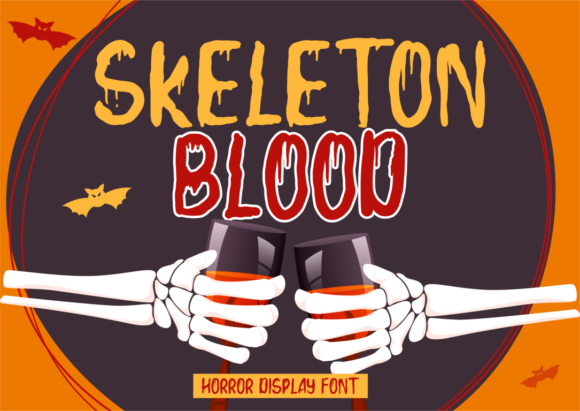
In the landscape of digital and print design, typography is rarely just about readability; it is about immediate emotional resonance. For projects that demand an visceral, unsettling, or gritty aesthetic, standard sans-serifs or clean serifs often fall short. This is where specialized display fonts like Skeleton Blood become indispensable assets. Skeleton Blood is not merely a typeface; it is a stylistic statement characterized by its horror-inspired, skeletal imagery and aggressive visual weight. When integrated correctly into a broader creative process, this font can elevate branding, editorial layouts, and promotional materials from mundane to memorable.
However, incorporating such a distinct and thematic font requires more than simply dragging it onto a canvas. It demands strategic planning, careful context selection, and technical precision. For professionals ranging from graphic designers and marketers to small business owners in the entertainment industry, understanding how to deploy Skeleton Blood effectively is key to maintaining brand integrity while achieving high-impact results.
Understanding the Role of Skeleton Blood in Design Systems
To utilize Skeleton Blood effectively, one must first recognize its specific niche within a typographic hierarchy. It is a display font, meaning it is designed for large sizes and short bursts of text rather than body copy. Its name and visual structure—resembling bone fragments, dried blood, or eroded stone—suggest themes of decay, intensity, horror, and raw power. Consequently, it fits naturally into workflows involving:
- Entertainment Marketing: Movie posters, video game packaging, and concert flyers for rock, metal, or horror genres.
- Niche Branding: Identity systems for haunted houses, escape rooms, dark-themed bars, or independent publishing houses specializing in thriller or gothic fiction.
- Event Promotion: Posters and social media assets for Halloween events, extreme sports competitions, or heavy metal festivals.
The font’s potential lies in its ability to communicate tone instantly. Before a viewer reads the headline, they feel the atmosphere. In a workflow focused on user experience or customer engagement, this pre-cognitive signaling is crucial. It filters the audience immediately, attracting those who resonate with the aesthetic while repelling those who do not, thereby increasing the relevance of your marketing efforts.
Pre-Production Planning and Asset Management
Successful implementation begins long before the design software is opened. The first phase of any project utilizing Skeleton Blood should involve rigorous asset management and compatibility checks. Because this is a specialized font, ensuring you have the correct licensing is paramount. Whether you are a freelancer working for a client or a small business owner launching a new product line, unauthorized use can lead to legal complications that derail the entire project timeline.
Once licensed, the font file must be organized within your team’s digital asset management (DAM) system. Place Skeleton Blood in a dedicated "Display" or "Thematic" folder alongside other horror or grunge-style typefaces. This organizational step ensures that when a designer needs to brainstorm concepts, the right tools are accessible without cluttering the primary interface. Furthermore, verify the font’s technical specifications. Check for kerning pairs, ligatures, and alternate glyphs. A font with poor internal spacing can cause headaches during the layout phase, requiring manual adjustment that slows down production efficiency.
Consider also the resolution requirements. Skeleton Blood relies on sharp edges and fine details that mimic bone structures. If these details are rendered at low resolutions, the font may appear muddy or pixelated, losing its intended impact. Establishing a baseline for output quality early in the planning stage prevents costly revisions later.
Integration During the Creative Process
When moving into the execution phase, the integration of Skeleton Blood requires a delicate balance between dominance and legibility. Because the font is visually aggressive, it competes strongly for attention. The most common mistake creators make is overusing the font or pairing it with equally chaotic elements.
Strategic Pairing and Hierarchy
To maintain readability and professional polish, pair Skeleton Blood with neutral, highly legible secondary fonts. A clean geometric sans-serif or a classic serif works best as a counterpoint. The contrast between the ornate, distressed nature of Skeleton Blood and the simplicity of the supporting text creates a sophisticated tension. This technique allows the headline to grab attention while the body text delivers information clearly.
For example, in a poster design for a horror film, the title might be set in Skeleton Blood at a massive scale. However, the tagline, cast list, and release date should be set in a simple, thin sans-serif. This hierarchy guides the eye logically through the information architecture. Without this structured approach, the design risks becoming visually noisy, causing cognitive overload for the viewer.
Contextual Application
The application of the font should align with the medium. On screen, consider how Skeleton Blood renders on different devices. Mobile screens have limited real estate, so ensure the font remains legible at smaller breakpoints. You may need to increase letter-spacing (tracking) to prevent the jagged edges of the letters from colliding and becoming illegible on narrow displays.
In print applications, the texture of the paper interacts with the ink. Skeleton Blood looks particularly striking on textured, matte, or uncoated papers, which enhance the "gritty" aesthetic. Conversely, glossy finishes might reflect light in a way that obscures the finer details of the font. Discussing these material choices with printers during the pre-press stage is a critical step in the workflow that ensures the final output matches the digital proof.
Post-Production Quality Control and Consistency
After the initial design is complete, the review process must focus on consistency and detail. Since Skeleton Blood has a unique character, even slight variations in color, opacity, or effects can alter its perceived tone. If using the font across multiple platforms—such as Instagram, a website banner, and a physical flyer—ensure that the visual treatment remains consistent.
Quality control should also address accessibility. While Skeleton Blood is powerful for headlines, it should never be used for essential informational text, such as terms and conditions, safety warnings, or navigation menus. Screen readers and users with dyslexia or visual impairments will struggle with its irregular shapes. Adhering to Web Content Accessibility Guidelines (WCAG) is not just a legal requirement for many businesses; it is a mark of professional responsibility. By reserving Skeleton Blood for decorative purposes and using accessible fonts for functional text, you create an inclusive design that does not compromise on style.
Long-Term Value and Adaptability
Investing in a high-quality, distinctive font like Skeleton Blood offers long-term value. Fonts are reusable assets. Once integrated into your library, they can be applied to future campaigns, seasonal promotions, or rebranding efforts. This reduces the need to constantly search for new typefaces, streamlining the creative process over time.
Moreover, as trends shift, the core utility of a strong display font remains. While specific graphic styles may come and go, the human response to bold, thematic typography is enduring. By mastering the nuances of using Skeleton Blood now, you build a skill set that translates to other expressive typefaces. You learn how to handle weight, texture, and negative space in ways that generic fonts do not require.
For entrepreneurs and marketers, this means faster turnaround times and higher quality outputs. For educators and bloggers, it means the ability to create engaging headers that break up text and draw readers back into the content. The font serves as a tool for emphasis, breaking the monotony of standard web pages and printed documents.
Conclusion on Practical Implementation
Skeleton Blood is more than a novelty item; it is a potent tool for communication in specific contexts. Its success depends entirely on how well it is integrated into your overall design strategy. By approaching its use with preparation, thoughtful pairing, technical awareness, and respect for accessibility standards, you can harness its full potential. Whether you are designing a terrifying movie poster or a edgy brand identity, Skeleton Blood provides the visual punch needed to cut through the noise. Treat it with the same strategic care you would any other critical component of your workflow, and it will consistently deliver impactful, professional results.