Karoline: Integrating a Vintage Display Font into Professional Design Workflows
In the realm of graphic design and visual communication, typography is rarely just about readability; it is about setting a tone, establishing an era, and creating an immediate emotional connection. Among the vast library of available typefaces, Karoline stands out as a distinct choice for professionals seeking to inject a specific vintage aesthetic into their projects. This font is not merely a decorative element but a strategic tool that, when integrated correctly, can elevate branding, editorial layouts, and digital assets.
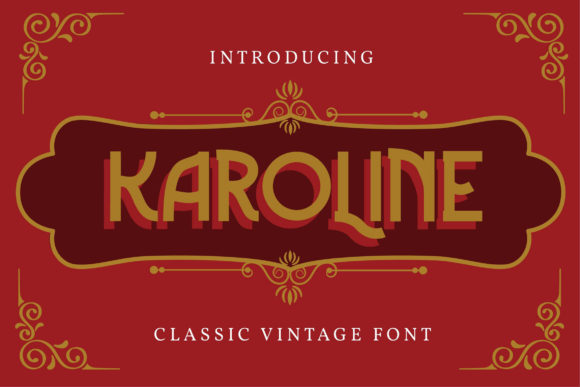
Understanding Karoline requires looking beyond its visual appeal to its technical structure and practical application. It is a vintage-styled display font characterized by its cool, retro flair. For designers, developers, and creative directors, the key differentiator of Karoline is its PUA (Private Use Area) encoding. This technical feature allows for seamless access to all glyphs, swashes, and alternate characters without cluttering standard character sets or requiring complex plugin installations. This article explores how to effectively incorporate Karoline into modern workflows, ensuring that the vintage charm it offers complements rather than complicates the design process.
Technical Foundations: Understanding PUA Encoding
The most significant advantage Karoline offers to professional users lies in its encoding method. Traditional fonts often limit the number of special characters, ligatures, and decorative swashes due to file size constraints or standard Unicode limitations. PUA encoding bypasses these restrictions by utilizing the Private Use Area of the Unicode standard—a section reserved specifically for custom characters.
For a designer, this means efficiency. When you install Karoline, you gain access to a comprehensive suite of stylistic alternates. Instead of manually searching for individual letters or relying on external software to generate swashes, you can access them directly through your keyboard’s input methods or within the OpenType features panel of applications like Adobe InDesign, Illustrator, or Photoshop. This direct access streamlines the creative process, reducing the time spent on formatting and allowing more focus on layout and composition.
- Reduced File Bloat: By using PUA, the font file remains manageable while offering extensive glyph variations.
- Cross-Platform Consistency: Because the characters are mapped to specific code points, they render consistently across different operating systems and devices, provided the font is installed.
- Simplified Asset Management: You do not need separate files for bold, italic, or swash versions; everything is contained within the single Karoline font family.
Strategic Application in Branding and Identity
Vintage aesthetics have seen a resurgence in recent years, driven by nostalgia marketing and the desire for authenticity in a digital-first world. Karoline fits perfectly into this trend, offering a "cool" and approachable retro vibe that appeals to adults aged 20–50. However, using a display font effectively requires strategic planning. It should not be used indiscriminately but rather as a focal point within a broader brand identity system.
When integrating Karoline into a brand guideline, consider its role as a headline or title font. Its strong personality makes it ideal for logos, packaging headers, and poster art. For long-form body text, however, it is advisable to pair Karoline with a clean, neutral sans-serif or serif font. This contrast ensures that the vintage flair does not overwhelm the user, maintaining readability while providing visual interest at key touchpoints.
Entrepreneurs and small business owners launching products with artisanal, handcrafted, or heritage-inspired narratives will find Karoline particularly useful. Whether designing labels for coffee bags, menus for bistros, or promotional banners for pop-up shops, the font communicates quality and tradition instantly. The swashes available via PUA encoding allow for subtle customization, enabling brands to tweak letterforms to better fit their unique logo marks or signature styles.
Workflow Integration for Digital and Print Projects
Implementing Karoline into daily workflows requires attention to detail, particularly regarding compatibility and preparation. Here is how to integrate the font smoothly into various stages of a project.
Preparation and Setup
Before beginning a design sprint, ensure that Karoline is properly installed on your system. Verify that your design software recognizes the OpenType features. In Adobe Creative Cloud applications, navigate to the Character panel and look for the "Contextual Alternates," "Swashes," or "Stylistic Sets" options. If you are working in web design, you must embed the font using @font-face rules, ensuring that the PUA characters are correctly mapped in your CSS or JavaScript if dynamic swapping is required.
Organize your project assets by creating a dedicated typography style sheet. Document which Karoline glyphs correspond to which swashes or alternates. This documentation serves as a reference for team members, ensuring consistency across multiple designers working on the same campaign. A clear naming convention for layers and text boxes also helps maintain order, especially when dealing with the numerous alternate characters available in the PUA set.
Execution and Layout
During the execution phase, use Karoline to establish hierarchy. Start with large-scale headlines where the font’s vintage character can shine. Experiment with tracking (letter-spacing) and leading (line-height). Vintage fonts often benefit from slightly increased tracking to enhance legibility and give the text a more airy, premium feel.
Utilize the swashes for initial letters or drop caps to add a touch of elegance. However, exercise restraint. Overusing swashes can make a design look cluttered and dated rather than stylishly retro. The goal is to use Karoline to guide the viewer’s eye, not to distract them. Test your designs in grayscale to ensure that the weight and form of the letters provide sufficient contrast against the background.
Quality Control and Export
Before finalizing any deliverable, perform a rigorous quality check. View your designs at actual size and at reduced scales. Some swashes may become illegible when scaled down significantly, such as in mobile app icons or social media thumbnails. In such cases, revert to the standard glyphs to ensure clarity.
When exporting for print, embed the font subset to reduce file size while preserving all necessary characters. For digital use, convert text to outlines only if the file will be shared as a static image (like PNG or JPG) and no further editing is expected. If the file needs to remain editable, keep the text as live text with the font linked. Always verify that the PUA characters render correctly on the target device, as some older systems may struggle with non-standard Unicode mappings.
Long-Term Value and Versatility
Investing in a font like Karoline is not just about a single project; it is about building a versatile toolkit. The longevity of a font depends on its ability to adapt to changing trends while retaining its core identity. Karoline’s vintage style is timeless, allowing it to remain relevant across seasons and campaigns. Its compatibility with modern minimalist designs creates a compelling juxtaposition that is highly sought after in contemporary marketing.
Educators and content creators can also leverage Karoline to make educational materials or blog posts more engaging. Using it for chapter titles, pull quotes, or infographics can break up dense text and improve information retention. The font’s approachable nature makes complex topics feel more inviting.
Furthermore, the ease of access provided by PUA encoding reduces friction in collaborative environments. Team members do not need to troubleshoot missing glyphs or deal with broken links to external swash libraries. This reliability translates to faster turnaround times and fewer errors, which is crucial for freelancers and agencies managing tight deadlines.
Conclusion
Karoline is more than just a vintage-styled display font; it is a functional asset that enhances the creative workflow through its efficient PUA encoding and robust character set. By understanding its technical capabilities and applying it strategically within branding, layout, and digital design processes, professionals can achieve high-quality, visually striking results. Whether you are a seasoned graphic designer, a small business owner, or a hobbyist creator, integrating Karoline into your toolkit offers endless possibilities for expression. The key lies in thoughtful implementation—balancing its distinctive aesthetic with clear communication and consistent quality control. As you explore its potential, remember that the best use of any typeface is one that serves the message, elevating the design without overshadowing the content.