Integrating Raouf Display Font into Professional Design Workflows
Selecting the right typography is often one of the most critical decisions in a design project. It sets the tone, establishes hierarchy, and influences how an audience perceives the message before they even read the content. For designers, marketers, and creative professionals, finding a typeface that balances personality with usability is essential. Raouf has emerged as a compelling option for those seeking a display font that injects whimsy and life into their layouts without sacrificing professional integrity.
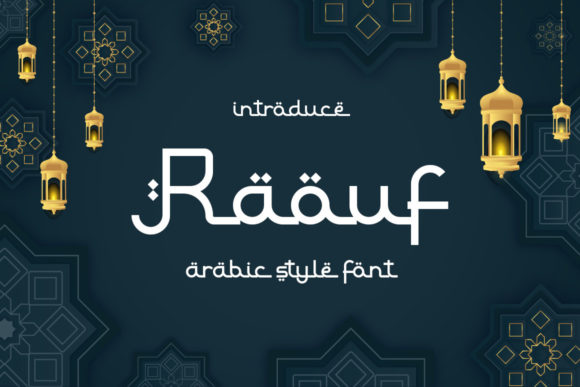
Raouf is characterized by its cute, sweet, and full-of-life style. It is not merely a decorative element but a functional tool that can brighten up designs ranging from digital marketing materials to printed packaging. Understanding how to integrate Raouf into your existing workflow requires more than just knowing what it looks like; it involves understanding its technical specifications, its appropriate use cases, and how it interacts with other design assets.
Understanding the Technical Foundation: PUA Encoding
Before diving into aesthetic applications, it is crucial to understand the technical backbone of Raouf. The font is PUA encoded. This stands for Private Use Area encoding, a method where glyphs are mapped to specific code points within the Unicode Private Use Area rather than standard character codes. While this might sound like a niche technical detail, it has significant implications for your workflow and asset management.
The primary advantage of PUA encoding in Raouf is accessibility. You can access all of the glyphs and swashes with ease, provided you know which keys correspond to which visual elements. In a practical sense, this means:
- Full Glyph Access: Unlike some limited free fonts, Raouf offers a comprehensive set of characters, including decorative swashes that add flair to headlines.
- Consistency Across Platforms: When properly embedded or installed, PUA-encoded fonts ensure that the specific stylistic variations appear consistently across different operating systems and design software.
- Customization Potential: Designers can mix standard letters with swashes to create unique typographic treatments that stand out in crowded digital spaces.
However, working with PUA fonts requires attention to detail during the implementation phase. If you are handing off files to developers or other team members, clear documentation of which key combinations produce specific swashes is necessary to maintain consistency. This preparation step ensures that the "cute" and "whimsical" nature of the font is preserved throughout the production pipeline.
Strategic Placement in Design Projects
Raouf’s sweet and lively style makes it an excellent choice for specific segments of a design project. It is not a universal solution for every text block, but rather a targeted tool for emphasis and brand personality. Integrating it effectively requires knowing when to deploy it and when to let other typefaces take the lead.
Headlines and Hero Sections
The most effective use case for Raouf is in headline copy. Its display characteristics are designed to catch the eye. Whether you are designing a landing page for a small business, a blog post header for a lifestyle blogger, or a social media graphic for a marketer, Raouf can serve as the anchor of the visual hierarchy. Because it is "full of life," it draws attention immediately, making it ideal for hero sections where the goal is to engage the user within seconds.
When using Raouf for headlines, consider the contrast with body text. Pairing Raouf with a clean, neutral sans-serif or serif font creates a balanced composition. The whimsy of the headline is grounded by the readability of the supporting text. This combination allows you to maintain professionalism while still expressing creativity.
Branding and Identity Materials
For entrepreneurs and small business owners, establishing a distinct brand voice is vital. Raouf can play a significant role in brand identity, particularly for businesses in sectors like children’s products, lifestyle brands, craft markets, or educational resources. Its cute aesthetic communicates approachability and warmth, values that resonate well with audiences seeking friendly and trustworthy brands.
In branding workflows, Raouf should be used sparingly but intentionally. It works well on logos, business cards, and packaging labels. However, care must be taken to ensure that the font aligns with the broader brand guidelines. If the brand aims for a corporate, serious tone, Raouf may be too informal. But for brands aiming to evoke joy, curiosity, or comfort, it is a powerful asset.
Workflow Integration and Asset Management
Integrating a new font into a daily workflow involves several steps, from acquisition to final export. Proper organization ensures that Raouf remains accessible and consistent across multiple projects.
Installation and Verification
Once downloaded, install Raouf on your system. Verify that all glyphs and swashes are visible in your preferred design software (such as Adobe Illustrator, Photoshop, or Figma). Since it is PUA encoded, test various key combinations to map out the available decorative elements. Create a reference sheet or a quick-access panel within your design tool to streamline the selection process during active projects.
Compatibility Checks
If your workflow involves web design, check the font’s compatibility with web embedding standards. While Raouf is primarily a display font, ensure that any HTML/CSS implementation supports the PUA encoding correctly. This may involve using custom @font-face rules with specific unicode-range descriptors if needed. For print-based workflows, ensure that the high-resolution outlines are intact to prevent quality issues during printing.
Collaboration and Handoff
In team environments, sharing font files is common practice. Ensure that Raouf is included in your shared asset libraries. When collaborating with developers or other designers, provide a style guide snippet that demonstrates how Raouf should be used. Highlight examples of correct pairing with other fonts and specify restrictions, such as avoiding overuse in long-form text.
Practical Implementation Tips
To get the most out of Raouf, consider these practical tips for implementation:
- Mix with Swashes Strategically: Use the available swashes to replace certain letters in short words or headlines. This adds a custom, hand-crafted feel to digital designs without requiring manual vector tracing.
- Control Color and Scale: The whimsical nature of Raouf benefits from bold colors and larger scales. Avoid using it in small sizes where the details may become cluttered or illegible.
- Maintain Whitespace: Give Raouf room to breathe. Due to its decorative nature, crowded layouts can make the font look chaotic. Ample whitespace enhances its sweet and airy aesthetic.
- Test Accessibility: Ensure sufficient contrast between the font color and background. Even whimsical fonts must meet basic accessibility standards to be inclusive for all users.
Long-Term Value and Consistency
Using Raouf effectively is not just about a single project; it is about building a library of assets that support long-term brand consistency. By incorporating Raouf into your standard toolkit, you create a recognizable visual language that can be deployed across various touchpoints. Whether you are updating a website, creating a new email newsletter template, or designing promotional materials, having Raouf readily available saves time and ensures a cohesive look.
Furthermore, the "brightening up" effect of Raouf can help differentiate your work in saturated markets. In a digital landscape filled with generic templates, a thoughtfully chosen display font like Raouf signals attention to detail and creative effort. It shows that you have considered not just the information being conveyed, but the emotional response you want to elicit.
Conclusion
Raouf is more than just a cute font; it is a strategic design element that can enhance the visual appeal and emotional resonance of your projects. By understanding its PUA encoding, integrating it strategically into headlines and branding, and managing it efficiently within your workflow, you can leverage its unique qualities to create designs that are both professional and engaging. For creators and professionals looking to add a touch of whimsy and life to their work, Raouf offers a practical and versatile solution.