Evaluating MultiType Glitch Bugged for Distinctive Digital Design Projects
In the landscape of digital typography, finding a typeface that balances aesthetic impact with functional usability is often a challenge. Designers frequently seek fonts that convey specific moods—such as urgency, chaos, or retro nostalgia—without compromising legibility entirely. MultiType Glitch Bugged emerges as a specialized solution within this niche, offering a pixelated aesthetic that leans heavily into the visual language of digital error and fragmentation. This article provides a detailed evaluation of the font, examining its technical specifications, stylistic characteristics, and practical applications to help designers determine if it aligns with their project requirements.
Understanding the Aesthetic and Technical Foundation
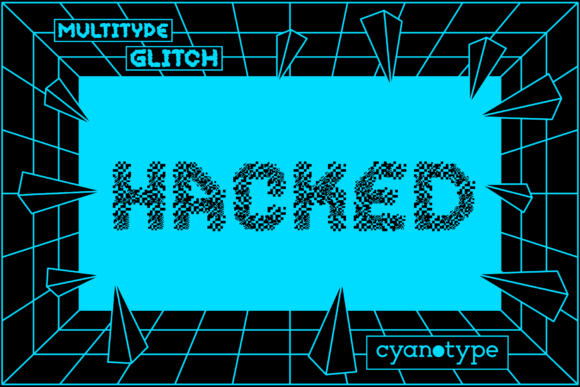
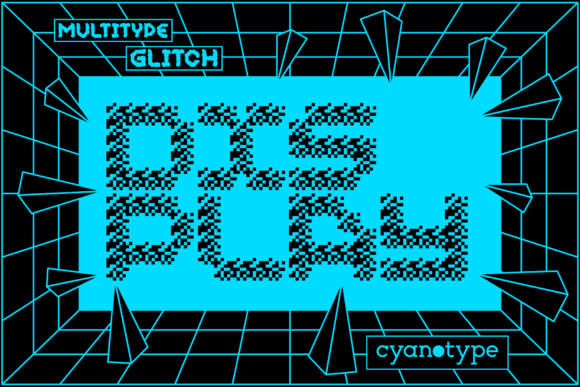
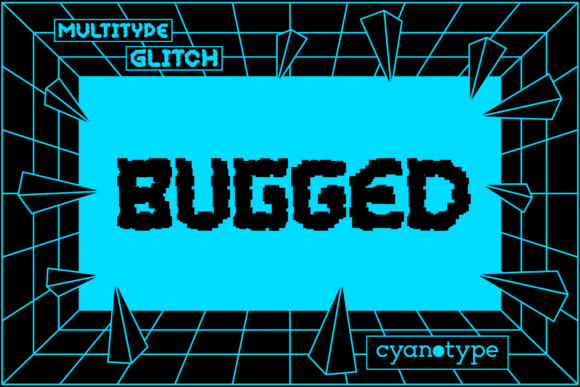
At its core, MultiType Glitch Bugged is a display font characterized by its unique, jagged geometry. Unlike standard sans-serif or serif fonts that prioritize smooth curves and consistent spacing, this typeface embraces irregularity. The letters appear distorted, as if they are suffering from a data corruption effect or a rendering error in a low-resolution system. This "glitch" aesthetic has become increasingly popular in contemporary design, particularly in contexts related to technology, cyberpunk themes, gaming, and youth-oriented media.
The font is PUA encoded. This is a critical technical detail for users evaluating its versatility. PUA stands for Private Use Area, a section of the Unicode standard reserved for private use by developers. By encoding glyphs in the PUA, the designer ensures that all characters, including special swashes, alternate forms, and decorative elements, can be accessed directly without relying on external plugins or complex ligature systems. For a designer, this means streamlined workflow integration; you do not need to hunt for alternative tools to access the full range of the font's personality. You simply select the character, and the intended glyph appears.
The pixelated nature of the font suggests a connection to 8-bit or 16-bit eras, yet the "bugged" distortion pushes it beyond simple retro homage. It feels modern, aggressive, and intentionally imperfect. This distinction is vital when comparing it to other pixel fonts that may offer clean, readable grids. MultiType Glitch Bugged does not aim for cleanliness; it aims for attitude.
Comparative Analysis: Style and Usability
When evaluating MultiType Glitch Bugged, it is helpful to place it in context with broader categories of display typography. Most display fonts fall into two camps: those that are highly legible and structural, and those that are expressive but difficult to read at small sizes. This font firmly occupies the latter category, but with a specific twist.
- Legibility vs. Atmosphere: Traditional display fonts might use bold weights or high contrast to grab attention while maintaining clear letterforms. In contrast, MultiType Glitch Bugged sacrifices some clarity for atmosphere. The jagged edges and missing pixels can make long passages of text difficult to parse. Therefore, it is not suitable for body copy or dense informational text. Its strength lies in short, impactful statements where the visual texture contributes to the message.
- Pixel Fonts vs. Glitch Fonts: Standard pixel fonts rely on strict grid alignment to create sharp, blocky characters. While MultiType Glitch Bugged retains the pixelated look, it breaks the grid. The "bugged" aspect introduces offsets, shifts, and irregularities that mimic digital artifacts. This makes it distinct from classic bitmap fonts used in emulation projects. It is more appropriate for modern web design and graphic overlays than for authentic retro simulation.
- Static vs. Dynamic Feel: Many decorative fonts feel static, like stamps on paper. Due to its erratic shapes, MultiType Glitch Bugged feels dynamic, as if the text is moving or unstable. This kinetic quality is a significant advantage for designs involving motion graphics, video game interfaces, or promotional materials for events like music festivals or tech expos.
Practical Applications and Best-Fit Scenarios
Determining whether to use MultiType Glitch Bugged requires an honest assessment of the project's goals. This font is not a versatile workhorse; it is a specialist tool. Below are scenarios where this font adds value, followed by situations where it may hinder communication.
Ideal Use Cases
- Headlines and Titles: The most effective use of this font is in large-scale headlines. When scaled up, the individual pixels and glitches become part of the visual interest rather than obstacles to reading. A single word or short phrase set in this font can serve as a powerful focal point in a poster, banner, or social media graphic.
- Gaming and Esports Branding: The aggressive, corrupted aesthetic aligns naturally with genres like FPS (First-Person Shooters), horror games, or cyberpunk RPGs. Logos, UI elements, and score displays in these contexts benefit from the font's association with digital combat and virtual environments.
- Music and Event Posters: Genres such as industrial, techno, trap, and electronic dance music often utilize glitch art in their visual identity. MultiType Glitch Bugged complements these styles by reinforcing themes of noise, distortion, and energy. It works well on flyers, album covers, and stage backdrops.
- Web Design Accents: For websites targeting a younger demographic or focusing on creative industries, using this font for navigation labels, call-to-action buttons, or decorative accents can break the monotony of standard web typography. However, it should be paired with a highly legible sans-serif for any supporting text.
Limited or Unsuitable Applications
- Body Text: As noted, the irregular shapes make extended reading fatiguing. Using this font for paragraphs will likely result in poor user experience and high bounce rates on digital platforms.
- Corporate or Formal Communications: Brands aiming for trust, stability, and professionalism should avoid this typeface. The connotations of "error" and "destruction" are counterproductive in financial, legal, or healthcare communications.
- Accessibility-Critical Designs: Individuals with dyslexia or visual impairments may find the inconsistent letterforms challenging to decode. If accessibility is a priority, standard, high-contrast fonts are superior choices.
Tradeoffs and Decision Factors
Choosing MultiType Glitch Bugged involves accepting certain tradeoffs. The primary benefit is its immediate visual impact and thematic relevance. It communicates a specific mood instantly, saving the designer time on explaining the concept through other visual elements. The PUA encoding further enhances this by ensuring that every stylistic flourish is readily available, allowing for creative mixing and matching of characters to create custom logos or effects.
However, the tradeoff is limited versatility. This font cannot carry a design alone. It must be balanced with neutral, clean typefaces to ensure that the essential information remains accessible. Designers must also consider the risk of overuse. Because the style is so distinctive, it can quickly become visually noisy if applied too broadly. The key to success is restraint: using the font sparingly to highlight key moments rather than saturating the entire composition.
Another factor to consider is the target audience. For audiences familiar with internet culture, gaming, and digital aesthetics, the "glitch" motif will resonate positively. For more traditional or older demographics, the same motif might be perceived as sloppy or unprofessional. Understanding the cultural context of the end-user is crucial before committing to this typeface.
Final Evaluation
MultiType Glitch Bugged is a compelling option for designers working on projects that require a strong, edgy, and digitally-inspired voice. Its unique shape and PUA-encoded flexibility provide both aesthetic depth and technical convenience. While it lacks the broad utility of standard display fonts, its specialization makes it a powerful asset in the right context.
For professionals evaluating their typography toolkit, this font serves as a strategic addition rather than a foundational one. It excels in environments where disruption is desirable, such as entertainment, gaming, and youth culture marketing. By pairing it with robust, legible alternatives for supporting text, designers can harness its chaotic energy without sacrificing communication clarity. Ultimately, the decision to use MultiType Glitch Bugged should be driven by the narrative needs of the project, ensuring that the visual style reinforces, rather than obscures, the core message.