MultiType Glitch Display: A Functional Analysis of a Distinctive Pixelated Typeface
In the landscape of digital typography, where legibility and neutrality often reign supreme, there remains a persistent demand for typefaces that command attention through disruption. MultiType Glitch Display emerges as a compelling entry in this niche, offering a design language rooted in the aesthetic of digital decay and retro-computing nostalgia. For designers, developers, and creative professionals seeking to inject a sense of urgency, error, or futuristic grit into their visual communications, understanding the practical utility of such a specialized font is essential. This analysis examines MultiType Glitch Display not merely as a decorative element, but as a functional tool with specific strengths, limitations, and ideal use cases.
The Anatomy of Digital Decay
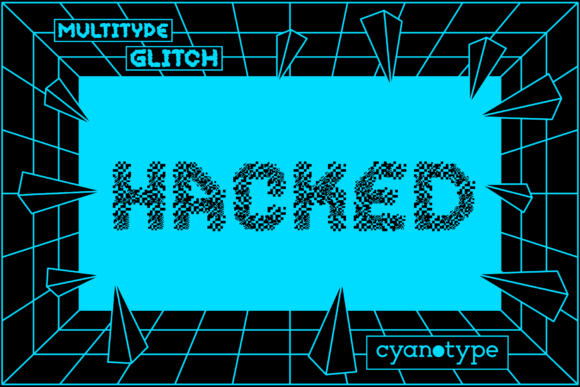
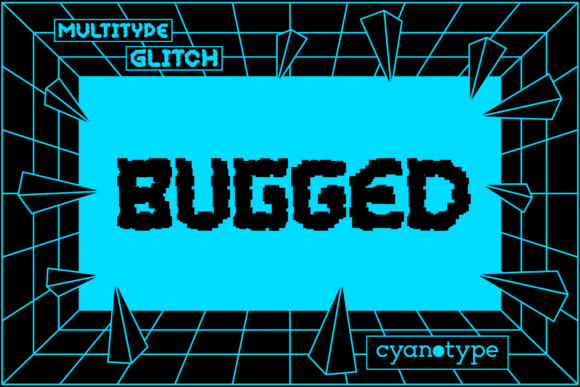
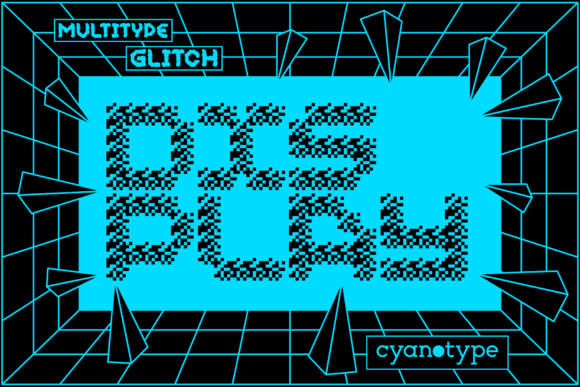
At its core, MultiType Glitch Display is a pixelated display font designed to mimic the visual artifacts associated with data corruption, screen tearing, and hardware malfunction. Unlike standard sans-serif or serif fonts that strive for smooth curves and uniform weight, this typeface embraces jagged edges, irregular spacing, and fragmented letterforms. The "glitch" effect is not random; it is structured to maintain a degree of readability while conveying a distinct mood of technological instability.
The font’s character set includes standard glyphs alongside an extensive array of swashes and alternate characters. These alternates are crucial for the glitch aesthetic, allowing designers to break up the monotony of text and create dynamic, asymmetrical compositions. By accessing these varied forms, a designer can transform a static headline into a visual experience that suggests movement, distortion, or system override. This level of detail is what separates a high-quality specialty font from a basic novelty typeface.
Technical Architecture and Usability
One of the most significant technical features of MultiType Glitch Display is its PUA (Private Use Area) encoding. In traditional font usage, accessing alternative glyphs often requires complex ligature settings or third-party software. However, PUA encoding places these special characters in a reserved section of the Unicode standard, making them accessible directly through keyboard shortcuts or simple character maps in most modern design applications.
- Direct Access: Designers can swap standard letters for their glitched counterparts without altering the underlying text structure significantly.
- Workflow Efficiency: The ease of access reduces friction in the creative process, allowing for rapid iteration on headlines and logos.
- Compatibility: While PUA fonts can sometimes present challenges in web rendering or search engine optimization if not handled correctly, they are generally robust in print and static graphic design environments.
This technical approach ensures that the font is not just a visual gimmick but a versatile tool that integrates smoothly into professional workflows. It allows for precise control over the intensity of the glitch effect, enabling subtle distortions for background textures or severe fragmentation for focal points.
Visual Impact and Brand Application
The primary strength of MultiType Glitch Display lies in its ability to evoke immediate emotional responses. The human brain is wired to recognize patterns, and when those patterns are disrupted, attention is naturally drawn. In marketing and branding, this makes the font exceptionally effective for capturing interest in crowded digital spaces. It is particularly well-suited for industries and projects that align with themes of technology, gaming, cybersecurity, electronic music, and streetwear culture.
Consider a brand identity for a new augmented reality application. Using a clean, minimalist font might convey sophistication, but using MultiType Glitch Display can suggest innovation, edge, and a deep connection to the digital realm. Similarly, in event posters for electronic music festivals, the font’s erratic nature mirrors the high-energy, sensory-overload atmosphere of the live experience. The key to successful application is context; the font works best when the surrounding design elements support its chaotic energy rather than competing with it.
Legibility vs. Aesthetic
It is important to acknowledge the inherent trade-off between aesthetic impact and legibility. MultiType Glitch Display is a display font, meaning it is intended for short bursts of text such as headlines, titles, and logos, rather than body copy. Attempting to use this typeface for long-form reading will likely result in user fatigue and reduced comprehension. Professional judgment dictates reserving this font for emphasis and hierarchy, ensuring that the message is delivered clearly before the style takes over.
Target Audience and Project Fit
Who benefits most from incorporating MultiType Glitch Display into their toolkit? The answer lies in the specific needs of various creative roles:
- Social Media Marketers: For campaigns targeting younger demographics interested in tech and gaming, this font provides instant visual relevance.
- Web Developers: When used sparingly for hero sections or interactive elements, it can enhance the user interface’s thematic depth.
- Event Designers: Posters, flyers, and digital banners for concerts, hackathons, and tech expos benefit from the font’s energetic vibe.
- Game Developers: UI elements, score displays, and narrative text in sci-fi or cyberpunk-themed games find a natural home in this typeface.
For educators and bloggers discussing digital trends, this font can serve as a visual anchor for articles about cybersecurity breaches, AI advancements, or internet culture, helping to visually reinforce the topic at hand.
Potential Limitations and Considerations
No typeface is universally applicable, and MultiType Glitch Display is no exception. Its strong stylistic voice means it can easily overwhelm other design elements if overused. Designers must exercise restraint, treating the font as a spice rather than the main course. Additionally, accessibility should be a primary concern. Screen readers may struggle with PUA-encoded characters if they are not properly tagged or if the font falls back incorrectly. Therefore, providing alt-text and ensuring that critical information is conveyed through standard HTML structures is vital for inclusive design.
Furthermore, the trendiness of the glitch aesthetic is cyclical. While currently popular, it may feel dated in five to ten years. Projects requiring long-term brand stability should consider using this font for temporary campaigns or seasonal updates rather than permanent logo marks, unless the brand identity is explicitly built around ephemeral, changing aesthetics.
Conclusion
MultiType Glitch Display offers a sophisticated solution for designers looking to communicate digital disruption and retro-futurism. Its PUA encoding ensures usability, while its varied glyph set provides creative flexibility. When applied with professional discernment—respecting legibility boundaries and contextual appropriateness—it can elevate a project from ordinary to memorable. For professionals in tech, entertainment, and digital media, it is a valuable asset in the typographic arsenal, capable of turning simple text into a powerful visual statement.