Snobbish: A Brushed Display Font for Distinctive Visual Identity
In the crowded landscape of digital typography, finding a typeface that balances artistic flair with professional utility is often a challenge. Many display fonts lean too heavily into novelty, sacrificing legibility for style, while others remain so conservative they fail to capture attention. Snobbish occupies a distinct middle ground. It is a cool, paint-brushed display font designed to bring an immediate sense of hand-crafted energy to typographic projects without compromising on structural integrity or readability.
This analysis explores the practical applications, aesthetic qualities, and strategic value of Snobbish for designers, marketers, and content creators who need their visual assets to stand out in a saturated media environment.
The Aesthetic Character of Snobbish
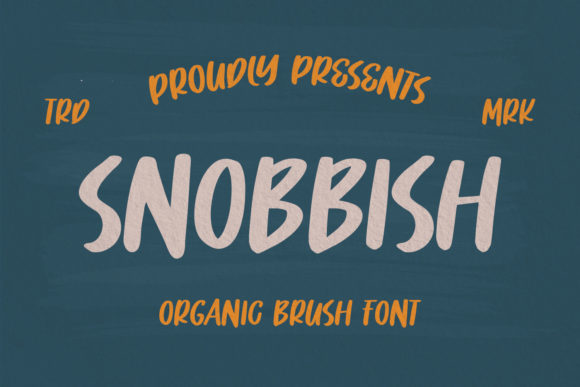
At its core, Snobbish is defined by its brush-stroke texture. Unlike vector-based geometric sans-serifs or rigid serif faces, this font mimics the organic imperfections of a real paintbrush hitting paper or canvas. The strokes vary in thickness, capturing the pressure dynamics of manual application. This creates a visual rhythm that feels alive and dynamic, rather than static and machine-generated.
The term "snobbish" might suggest exclusivity or elitism, but in the context of design, it points toward a certain level of curated sophistication. The font carries an air of confidence. It does not shout; it asserts presence through texture and form. This makes it particularly effective for headers, titles, and short bursts of text where immediate visual impact is required.
- Organic Texture: The edges are not perfectly smooth, providing a tactile quality that engages the viewer’s eye.
- Dynamic Weight: Variations in stroke width add movement, guiding the reader’s gaze across the headline.
- Cool Tone: Despite the warmth associated with hand-painted art, the specific rendering of Snobbish maintains a modern, cool aesthetic suitable for contemporary brands.
Practical Applications in Branding and Marketing
For small business owners, freelancers, and entrepreneurs, first impressions are critical. Whether designing a logo, a social media graphic, or a landing page hero section, the choice of typography sets the tone before a single word is read. Snobbish offers a unique advantage in these scenarios by instantly communicating creativity, craftsmanship, and individuality.
Elevating Digital Presence
In digital marketing, scroll fatigue is a real phenomenon. Users skim content rapidly, and standard fonts like Arial, Helvetica, or even common web-safe serifs can blend into the background noise. Using Snobbish for key headlines breaks this pattern. It signals that the content behind the headline is crafted with care. For bloggers and publishers, this subtle cue can increase engagement rates by making the content appear more premium and thoughtfully produced.
Consider a lifestyle brand launching a new product line. A standard sans-serif might look clean but forgettable. Snobbish, applied to the campaign title, adds a layer of narrative depth. It suggests that the product was made by hand, with intention, appealing directly to consumers who value authenticity over mass production.
Suitability for Creative Industries
Professionals in the creative sector—graphic designers, illustrators, and photographers—often struggle to find fonts that complement rather than compete with their primary work. Snobbish serves well as a complementary display font. Its textured nature pairs effectively with minimalist imagery, allowing the typography to become the focal point without overwhelming the visual composition. It works particularly well in editorial layouts, magazine covers, and poster designs where artistic expression is paramount.
Usability and Workflow Integration
A font’s beauty is irrelevant if it is difficult to use. One of the strengths of Snobbish is its versatility within standard design workflows. As a display font, it is intended for large sizes, which simplifies the technical considerations regarding kerning and spacing at smaller scales. However, understanding its limitations is crucial for effective implementation.
Legibility Constraints
While Snobbish is highly readable at headline sizes, it is not suited for body text. The irregular stroke widths and brush-like details can cause eye strain when used in long paragraphs. Best practice dictates using Snobbish exclusively for headings, subheadings, pull quotes, and button labels. Pairing it with a clean, neutral sans-serif or serif for body copy creates a balanced hierarchy. This contrast ensures that the decorative nature of Snobbish enhances the design without hindering comprehension.
Consistency Across Media
From a technical standpoint, Snobbish performs consistently across various mediums. Whether printed on high-quality matte paper or displayed on high-resolution screens, the brush textures retain their character. This reliability is essential for professionals who need their brand identity to remain coherent across print collateral, websites, and merchandise. The font’s robust structure prevents it from looking muddy or indistinct when scaled down slightly, provided it remains above a minimum size threshold.
Who Should Consider Snobbish?
Determining whether Snobbish fits your needs depends on your specific goals and audience. It is not a universal solution, but it is an incredible asset for those seeking to differentiate their work.
- Brands Seeking Authenticity: If your brand story revolves around handmade goods, artisanal products, or personalized services, Snobbish reinforces that narrative visually.
- Event and Entertainment Design: Concert posters, festival flyers, and event invitations benefit from the energetic, spontaneous feel of a brush font. It conveys excitement and movement.
- Personal Brands: Freelancers and consultants who want to project a creative yet professional image can use Snobbish in their personal logos or signature email headers to stand out from corporate competitors.
- Educational Creators: Educators creating engaging course materials or workshop handouts may find that Snobbish helps make learning materials feel less rigid and more approachable.
Potential Limitations and Strategic Fit
No font is perfect for every situation. Snobbish’s distinctive style means it has a narrow window of appropriateness. It may clash with industries that prioritize strict minimalism, such as high-tech software interfaces or medical devices, where clarity and neutrality are preferred over artistic expression. Additionally, because the font has a strong personality, it can overpower delicate or intricate design elements if not used sparingly.
Furthermore, reliance on display fonts requires a higher level of typographic skill. Poor kerning or inappropriate sizing can quickly turn a sophisticated brush font into a cluttered mess. Professionals must ensure that they have the expertise to balance Snobbish’s weight and texture with adequate white space and contrasting typefaces.
Long-Term Value for Your Fonts Library
Investing in a specialized font like Snobbish is about expanding your creative toolkit. While you will not use it daily, having it available provides a ready-made solution for projects that require a burst of personality. It eliminates the need to commission custom lettering for every unique campaign, saving time and resources while maintaining a high standard of design quality.
As trends shift toward more human-centric and authentic branding, the demand for fonts that mimic hand-crafted processes is likely to grow. Snobbish positions itself well within this trend, offering a timeless appeal that avoids the pitfalls of overly trendy stylistic choices. Its cool, brushed aesthetic remains relevant across seasons and platforms, ensuring that your designs do not quickly appear dated.
Final Assessment
Snobbish is more than just a decorative typeface; it is a strategic tool for enhancing visual communication. Its ability to convey craftsmanship, confidence, and creativity makes it a valuable addition to any serious designer’s library. By understanding its strengths in display contexts and respecting its limitations in body text, professionals can leverage Snobbish to elevate their creations. Whether you are a marketer aiming to boost engagement, a business owner building a brand identity, or a creator seeking a unique voice, Snobbish offers the potential to transform ordinary text into compelling visual statements.