Evaluating Frizzy: A Detailed Look at Its Role in Modern Display Typography
Selecting the right typeface is rarely a simple task. For designers working in fashion, editorial layouts, or high-end branding, the choice of display font can dictate the entire tone of a project. It is not merely about legibility; it is about conveying an atmosphere, a texture, and a specific emotional resonance before the viewer even reads the headline. In this landscape, Frizzy has emerged as a distinct option that warrants careful consideration. Defined by its smooth curves and highly detailed construction, it offers a visual language that sits somewhere between organic fluidity and structured elegance.
For professionals aged 20 to 50 who are constantly evaluating design resources, understanding where Frizzy fits within the broader typographic ecosystem is crucial. This analysis explores the characteristics of Frizzy, compares it against general categories of display fonts, and outlines the practical scenarios where it excels or may fall short. The goal is to provide a balanced framework for decision-making, helping you determine if this unique font aligns with your creative objectives.
Defining the Aesthetic: Smooth Curves and High Detail
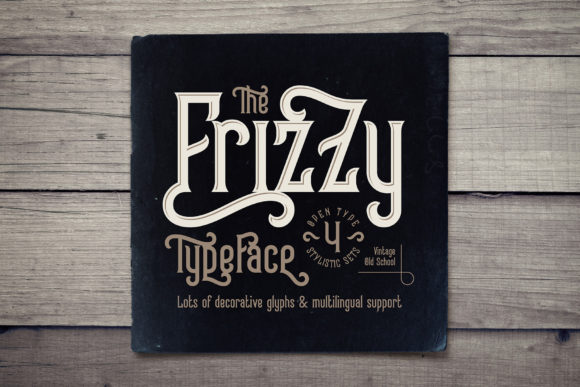
At its core, Frizzy is categorized as a display font, meaning it is designed for impact at larger sizes rather than body text. What distinguishes it from many other serif or sans-serif display options is its emphasis on smooth curves. While many modern fonts rely on geometric rigidity or stark minimalism, Frizzy introduces a sense of movement and softness. The term "frizzy" might suggest chaos or unruliness, but in this context, it refers to a textured, lively quality that remains controlled and refined.
The font’s definition lies in its intricate details. Each character is crafted with precision, ensuring that the curves do not feel generic or mass-produced. Instead, they carry a hand-crafted sensibility that appeals to audiences looking for authenticity in branding. This level of detail makes Frizzy particularly effective in contexts where visual richness is paramount. When used correctly, the font adds a layer of sophistication that plain geometric types often lack.
- Organic Flow: The curves mimic natural forms, avoiding the harsh angles of industrial design.
- Visual Texture: The high level of detail creates a rich surface quality that draws the eye.
- Refined Elegance: Despite its playful name, the execution is polished and professional.
Comparing Frizzy to Broader Typographic Categories
To understand the value of Frizzy, it is helpful to compare it with other common approaches to display typography. Designers often choose between three main paths: geometric minimalism, traditional serifs, and decorative novelty fonts. Frizzy occupies a nuanced space that blends elements of these categories while maintaining its own identity.
Frizzy vs. Geometric Minimalism
Geometric sans-serifs are popular for their clean, modern look. They are safe, versatile, and widely available. However, they can sometimes feel sterile or cold, especially in industries that require warmth or personality. Frizzy serves as a compelling alternative when a brand needs to communicate approachability without sacrificing style. Where a geometric font might feel rigid, Frizzy feels inviting. The smooth curves soften the overall composition, making it ideal for lifestyle brands that want to appear accessible yet premium.
Frizzy vs. Traditional Serifs
Traditional serifs convey authority, history, and stability. They are the go-to choice for legal firms, academic institutions, and luxury heritage brands. Frizzy, by contrast, leans toward contemporary trends. It does not carry the weight of tradition but instead speaks to modern aesthetics. If your project requires a sense of timelessness or gravitas, a classic serif may be more appropriate. However, if the goal is to create a fresh, dynamic visual identity that feels current and energetic, Frizzy offers a lighter touch that avoids the heaviness of traditional typefaces.
Frizzy vs. Decorative Novelty Fonts
There is a risk in using display fonts that they become gimmicky. Many novelty fonts prioritize shock value over usability, leading to designs that age poorly or distract from the message. Frizzy avoids this pitfall through its disciplined structure. While it is visually interesting, it remains readable and functional. The "frizzy" quality is subtle enough to support content rather than overwhelm it. This balance makes it a safer choice for long-term branding projects compared to more extreme decorative options.
Best-Fit Situations and Practical Applications
Understanding when to use Frizzy is just as important as knowing what it looks like. Its strengths are most apparent in specific industries and design contexts. Below are several scenarios where Frizzy proves to be an excellent choice.
Fashion Branding
The fashion industry thrives on visual storytelling and aesthetic appeal. Brands in this sector often need typefaces that reflect both luxury and trendiness. Frizzy’s smooth curves and detailed construction align well with clothing labels, lookbooks, and campaign materials. It conveys a sense of movement, which is essential in fashion, where garments are meant to flow and drape. Using Frizzy in headlines can elevate a layout, making it feel curated and intentional.
Editorial Designs
In magazine spreads, digital articles, and blog headers, typography plays a key role in guiding the reader’s attention. Frizzy works exceptionally well for pull quotes, section dividers, and feature titles. Its unique character allows it to stand out against white space or behind imagery without clashing. Because it is highly detailed, it rewards close inspection, encouraging readers to linger on the content. This engagement is valuable in editorial contexts where capturing and holding attention is critical.
Lifestyle and Wellness Products
Brands focused on wellness, beauty, or home decor often seek to evoke feelings of comfort, care, and natural living. The organic nature of Frizzy’s curves resonates with these values. Unlike sharp, angular fonts that can feel aggressive, Frizzy feels gentle and nurturing. This makes it a strong candidate for packaging design, social media graphics, and website hero sections for companies in the lifestyle sector.
Tradeoffs and Limitations to Consider
No single font is a universal solution. While Frizzy offers many advantages, there are tradeoffs that designers must weigh before incorporating it into a project. Recognizing these limitations ensures that the font is used effectively and does not undermine the overall design.
Legibility at Small Sizes: As a display font with high detail, Frizzy is not suited for body text. Attempting to use it for paragraphs or small captions will result in poor readability. The intricate curves can blur together when scaled down, causing visual fatigue. Always pair Frizzy with a simpler, highly legible sans-serif or serif for supporting text. This contrast highlights the display font’s strengths while maintaining clarity.
Brand Personality Mismatch: Frizzy has a distinct voice—playful yet refined. It may not be the right fit for brands that need to project seriousness, technical expertise, or corporate stability. For example, a financial technology startup or a medical device manufacturer might find Frizzy too informal or whimsical. In such cases, a more neutral or authoritative typeface would better serve the brand’s message.
Overuse Risks: Because Frizzy is visually striking, there is a temptation to use it excessively. Overusing a distinctive display font can make a design feel cluttered or unbalanced. It is best used sparingly, primarily for headlines and key graphical elements. Let the font shine in limited doses to maximize its impact.
Decision Factors: Is Frizzy Right for Your Project?
Choosing between Frizzy and other options ultimately depends on the specific goals of your project. To help clarify your decision, consider the following questions:
- What is the primary emotion you want to convey? If you aim for warmth, movement, and modern elegance, Frizzy is a strong contender. If you need cold efficiency or rigid authority, look elsewhere.
- Where will the font be used? For large-scale displays, logos, and headers, Frizzy excels. For dense text blocks or data-heavy interfaces, it is unsuitable.
- How does it fit with your existing brand assets? Evaluate how Frizzy pairs with your color palette, imagery, and logo. Does it complement the overall aesthetic, or does it clash?
- Are you willing to invest in complementary typography? Successful use of Frizzy requires pairing it with a neutral, readable font. Ensure you have access to a good secondary typeface to balance the design.
By carefully evaluating these factors, you can determine whether Frizzy enhances your project or detracts from its purpose. It is a tool that demands respect and thoughtful application, but when used correctly, it delivers results that are both beautiful and effective.
Final Thoughts on Integration
Typography is a powerful component of visual communication, and adding Frizzy confidently to your projects can yield impressive outcomes. Its unique blend of smooth curves and detailed craftsmanship sets it apart from generic alternatives. While it may not be the right choice for every scenario, its niche in fashion, editorial, and lifestyle design is well-defined and valuable.
As you explore your design options, remember that the best typography choices are those that serve the content and resonate with the audience. Frizzy offers a distinctive voice that can elevate your work, provided it is applied with intention and restraint. By understanding its strengths, limitations, and ideal use cases, you can make informed decisions that lead to stronger, more cohesive designs.