Look Like Coffee: Elevating Visual Identity with Modern Typography
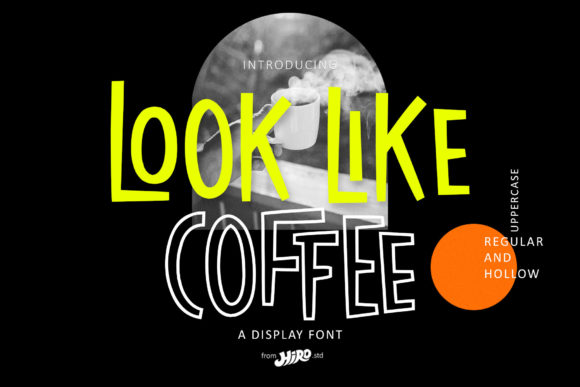
In the rapidly evolving landscape of digital and print design, the difference between a good visual and a great one often comes down to a single element: typography. As creators, marketers, and business owners navigate an increasingly crowded attention economy, the need for typefaces that are not only legible but also expressive has never been higher. Enter Look Like Coffee, a cool, modern, and adaptable display font designed to add character and sophistication to any project. This is not just another decorative typeface; it is a versatile tool that bridges the gap between casual warmth and professional polish.
The name itself suggests a certain comfort and familiarity, yet the visual execution is anything but ordinary. Look Like Coffee invites designers to add it confidently to their favorite creations and let themselves be amazed by the outcome generated. Whether you are crafting a brand identity for a new startup, designing a social media campaign, or putting the finishing touches on a printed brochure, this font offers a unique blend of accessibility and high-end style. Its adaptability makes it suitable for a wide range of applications, from bold headlines to intricate logo designs, proving that modern typography can be both functional and deeply artistic.
The Evolution of Display Typography in Modern Design
To understand why Look Like Coffee is gaining traction among professionals, it is essential to look at the broader trends shaping contemporary design. For years, the default choice for digital interfaces was clean, neutral sans-serif fonts like Helvetica or Arial. These typefaces were chosen for their neutrality and readability across various screen sizes. However, as brands strive to differentiate themselves in a saturated market, there has been a significant shift away from generic uniformity toward distinctive, personality-driven typography.
Modern users expect more than just information; they expect an experience. This shift in user expectations has led to a surge in demand for display fonts that convey mood, tone, and brand values instantly. The trend is moving towards typefaces that feel human, approachable, and slightly unconventional. Look Like Coffee fits perfectly into this narrative. It captures the essence of modern lifestyle shifts—where comfort meets ambition—and translates it into visual form. It is no longer enough for a font to simply be readable; it must also tell a story.
This evolution is driven by changing habits in content consumption. With short-form video dominating social platforms and attention spans shrinking, visual impact must be immediate. A strong typographic choice can communicate a brand’s ethos in milliseconds. By adopting a font like Look Like Coffee, creators are aligning themselves with a forward-looking aesthetic that prioritizes emotional connection alongside clarity. This is particularly relevant for freelancers, educators, and entrepreneurs who need to establish trust and credibility quickly through their visual materials.
Understanding PUA Encoding and Glyph Accessibility
One of the most technical yet practical aspects of using Look Like Coffee is its encoding structure. The font is PUA encoded, which stands for Private Use Area. While this term might sound intimidating to those less familiar with font technology, it actually represents a significant advantage for designers seeking maximum creative freedom. In standard Unicode encoding, characters are mapped to specific codes that correspond to letters, numbers, and symbols recognized globally. However, the PUA allows font developers to include additional glyphs, swashes, and alternate characters that do not have standard Unicode assignments.
For the end-user, this means that you can access all glyphs and swashes with ease. Instead of being limited to the basic alphabet, Look Like Coffee offers a rich library of stylistic alternates. Imagine adding a flourish to a capital 'A' or choosing a more relaxed version of a lowercase 'g' to match the tone of your message. These details are what separate a template-based design from a custom-crafted piece of art. The ability to toggle these features allows designers to fine-tune every aspect of their composition, ensuring that the typography feels bespoke rather than stock.
This level of control is crucial for professionals who work on diverse projects. A marketer creating a campaign for a luxury coffee brand might use the more ornate swashes to evoke elegance, while a blogger writing about urban culture might opt for the cleaner, simpler glyphs to maintain a minimalist aesthetic. The flexibility provided by PUA encoding ensures that Look Like Coffee remains relevant across different industries and styles. It empowers users to experiment without fear of breaking the design system, encouraging innovation and personal expression.
Practical Applications for Creators and Businesses
The versatility of Look Like Coffee makes it an invaluable asset for a variety of professional roles. For graphic designers, it serves as a powerful tool for branding projects where uniqueness is paramount. When developing a visual identity for a café, bakery, or artisanal product, the warm yet modern connotations of the font can reinforce the brand’s message of quality and craftsmanship. It pairs well with other elements such as earthy color palettes and organic textures, creating a cohesive and appealing visual narrative.
- Brand Identity: Use the font for logos and headers to establish a memorable and distinct brand presence.
- Social Media Graphics: Leverage the swashes and alternates to create eye-catching posts that stand out in crowded feeds.
- Editorial Design: Apply the font to magazine layouts or blog headers to add a touch of sophistication and readability.
- Packaging Design: Utilize the font’s adaptability to create packaging that communicates premium quality and attention to detail.
Entrepreneurs and small business owners can also benefit significantly from incorporating Look Like Coffee into their marketing materials. In a world where consumers are bombarded with advertisements, having a consistent and attractive typographic style helps build recognition. By using this font across business cards, invoices, and promotional emails, businesses can create a unified and professional image. This consistency signals reliability and care, qualities that are highly valued by customers.
Furthermore, educators and content creators can use the font to make learning materials more engaging. Traditional educational resources often suffer from dry, uninspired visuals. By introducing a dynamic typeface like Look Like Coffee into presentations, worksheets, or online courses, instructors can capture students’ interest and enhance retention. The font’s modern appeal resonates with younger audiences, making complex topics feel more accessible and less intimidating.
Integrating Look Like Coffee into Your Workflow
Adopting a new font requires more than just downloading a file; it involves understanding how to integrate it effectively into your existing workflow. For those accustomed to traditional design software, the process of accessing PUA-encoded glyphs may require a bit of exploration. Most modern design applications support OpenType features, which allow users to enable stylistic sets and alternates directly within the interface. This means that once you install Look Like Coffee, you can begin experimenting with its full potential immediately.
It is important to pair Look Like Coffee with complementary typefaces to ensure balance in your designs. Because it is a display font, it works best when used for headings, titles, and short bursts of text. For body copy, consider pairing it with a simple, neutral sans-serif or serif font. This contrast creates visual hierarchy, guiding the reader’s eye through the content while maintaining readability. The key is to let the display font shine without overwhelming the viewer.
Additionally, consider the context in which your designs will be viewed. On digital screens, the sharp lines and intricate details of Look Like Coffee may need to be adjusted for optimal legibility. Testing your designs at various sizes and resolutions ensures that the font performs well across devices. This attention to detail reflects a professional approach to design and demonstrates respect for the user’s experience. By taking the time to optimize your typography, you contribute to a more inclusive and effective communication strategy.
Why Attention to Detail Matters Now More Than Ever
In an era where AI-generated content and automated templates are becoming commonplace, the human touch in design is more valuable than ever. Consumers are developing a keen eye for authenticity and craftsmanship. They can distinguish between mass-produced aesthetics and carefully curated visuals. Look Like Coffee represents the latter. It is a testament to the effort put into creating something unique and meaningful. By choosing such a thoughtful typeface, designers and businesses signal that they care about the nuances of their craft.
This focus on detail aligns with broader market preferences for quality over quantity. As the digital space becomes cluttered with low-effort content, standing out requires a commitment to excellence. Typography is one of the most fundamental aspects of design, and neglecting it can undermine even the strongest messages. Investing in a high-quality, adaptable font like Look Like Coffee is a strategic decision that pays dividends in brand perception and user engagement.
Ultimately, the goal of design is to connect. Whether you are reaching out to potential clients, educating students, or inspiring followers, your visual language plays a critical role in that connection. Look Like Coffee provides the tools to express yourself with confidence and clarity. It encourages experimentation, rewards creativity, and delivers results that resonate. As you explore its capabilities, you will find that it is not just a font, but a partner in your creative journey. Let yourself be amazed by the outcomes it generates, and watch as your designs take on a new level of depth and appeal.