Designing with Personality: Why Brownsugar Is the Casual Font Your Brand Needs
In the vast landscape of digital and print design, typography is rarely just about readability. While legibility remains the foundational requirement for any typeface, modern design demands more. It requires character, tone, and an immediate emotional connection with the viewer. This is where display fonts step in to bridge the gap between functional text and artistic expression. Among the growing library of unique typefaces available to designers, Brownsugar has emerged as a compelling choice for projects that aim to feel approachable, warm, and distinctly human.
Brownsugar is not merely a font; it is a stylistic statement. Designed as a casual and friendly display font, its natural and unique style makes it incredibly fitting to a large pool of designs. The only limit is your imagination when it comes to leveraging this versatile tool. Whether you are a seasoned graphic designer looking to add a touch of whimsy to a brand identity or a hobbyist creating personalized gifts, understanding the nuances of Brownsugar can elevate your creative output significantly.
The Anatomy of Casual Typography
To appreciate why Brownsugar works so well, we must first understand the role of casual typography in contemporary design. For decades, corporate communication was dominated by rigid sans-serifs and traditional serifs. These fonts conveyed authority, stability, and professionalism. However, as the digital economy shifted towards community-driven platforms, user experience (UX) became paramount. Users began to crave authenticity over polish. They wanted brands that felt like they had a personality, a voice, and perhaps even a sense of humor.
This shift gave rise to the popularity of handwriting-style, script, and casual display fonts. These typefaces mimic the irregularities of human hand-lettering. They possess slight variations in stroke width, organic curves, and a relaxed structure that standard geometric fonts lack. Brownsugar fits squarely into this category but distinguishes itself through its specific balance of readability and charm. It avoids the overly messy aesthetic of some brush scripts while maintaining enough informality to feel welcoming rather than stiff.
Visual Characteristics of Brownsugar
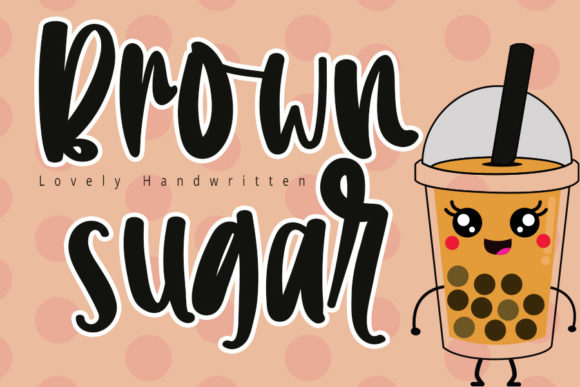
When analyzing Brownsugar, several key visual traits stand out. First, the letterforms exhibit a soft, rounded quality. Sharp angles are minimized in favor of smooth transitions, which psychologically signals safety and friendliness to the observer. This is particularly effective in branding for industries such as childcare, education, food and beverage, and lifestyle services.
Secondly, the spacing and kerning of Brownsugar are designed to breathe. Unlike condensed fonts that cram information together, Brownsugar allows each character space to exist independently. This contributes to its "casual" feel, suggesting that the message is being delivered in a relaxed manner, without urgency or pressure. The weight of the strokes is consistent enough to ensure legibility at various sizes but varied enough to prevent monotony. This natural rhythm is what makes the font feel alive on the page or screen.
Practical Applications Across Industries
The versatility of Brownsugar means it can be deployed across a wide array of sectors. Its ability to convey warmth and approachability makes it a strategic asset for businesses looking to soften their image or connect on a personal level. Let us explore how different professionals might utilize this typeface in real-world scenarios.
- Branding and Logo Design: For small businesses, cafes, boutiques, or artisanal product lines, Brownsugar can serve as the primary logo font. Its unique style helps a brand stand out in a crowded marketplace. A coffee shop named "Morning Brew" using Brownsugar immediately suggests a cozy, inviting atmosphere, contrasting sharply with the coldness of a heavy industrial font.
- Marketing Materials: In social media graphics, email newsletters, and promotional banners, Brownsugar can be used for headlines and call-to-action buttons. Because it is a display font, it grabs attention quickly. When paired with a clean, neutral body font, it creates a beautiful hierarchy that guides the reader’s eye without overwhelming them.
- Educational Content: Educators and content creators often struggle to make learning materials feel engaging rather than dry. Using Brownsugar for chapter titles, quotes, or interactive elements in e-learning modules can reduce cognitive load and make the material feel less intimidating. It signals to the learner that the environment is supportive.
- Event and Wedding Stationery: The wedding industry has long relied on script fonts to denote romance and elegance. Brownsugar offers a modern twist on this tradition. It provides a contemporary, laid-back vibe that appeals to younger couples who prefer a rustic or bohemian aesthetic over formal Victorian styles.
The Psychology of Color and Type Interaction
While Brownsugar brings its own structural charm, its impact is often amplified when considered alongside color psychology. The name itself, "Brownsugar," evokes images of warmth, sweetness, and natural ingredients. This semantic association primes the viewer to expect a certain tone before they even read the text.
When designing with Brownsugar, consider pairing it with earth tones, pastels, or muted hues. Deep terracottas, soft creams, sage greens, and warm taupes complement the organic nature of the font. Conversely, using Brownsugar with stark neon colors or icy blues might create a dissonance that feels jarring. The goal is harmony. By aligning the typographic personality with the color palette, designers create a cohesive sensory experience that reinforces the intended message.
Furthermore, the texture of the background plays a crucial role. Brownsugar shines on textured backgrounds that mimic paper, fabric, or wood grain. These subtle textures enhance the "handmade" feel of the font, grounding it in a tactile reality. In digital design, this can be achieved through subtle noise overlays or high-quality photographic backdrops that provide depth without distracting from the text.
Best Practices for Implementation
Using a display font like Brownsugar effectively requires discipline. It is easy to fall into the trap of overusing decorative typefaces, which can lead to visual clutter and reduced accessibility. To use Brownsugar successfully, adhere to the following principles:
- Limit Usage to Headlines: As a display font, Brownsugar is best suited for short bursts of text. Use it for titles, subtitles, pull quotes, and button labels. Avoid using it for long paragraphs of body copy. At smaller sizes, the casual details may become muddy, reducing readability and causing eye strain for the audience.
- Pair with Complementary Fonts: Balance the personality of Brownsugar with a highly readable, neutral sans-serif or serif for body text. For example, pairing Brownsugar with a clean geometric sans-serif like Helvetica or a classic serif like Garamond creates a sophisticated contrast. The bold character of the header draws the eye, while the neutral body text ensures the information is easily digested.
- Mind the Hierarchy: Ensure that Brownsugar is clearly distinguished from other text elements. Use size, weight, and color to create a clear visual hierarchy. If every element on a page is trying to be "fun" or "unique," the design loses focus. Let Brownsugar be the star of the show, and let other elements play supporting roles.
- Consider Accessibility: Always test your design for accessibility. Ensure sufficient contrast between the Brownsugar text and its background. Remember that not all users have perfect vision, and overly stylized fonts can sometimes hinder comprehension for those with dyslexia or other reading difficulties. Clarity should never be sacrificed entirely for style.
Trends Shaping the Future of Display Fonts
The demand for fonts like Brownsugar is part of a larger trend toward "human-centric" design. As artificial intelligence generates more content, there is a growing counter-movement seeking to reintroduce human imperfection and warmth into digital spaces. Consumers are increasingly skeptical of polished, AI-generated aesthetics. They want to see evidence of human touch.
This trend is driving designers to seek out typefaces that look hand-crafted, imperfect, and authentic. Brownsugar taps into this desire perfectly. It does not try to hide its origins as a designed object; instead, it celebrates its quirks. Looking ahead, we can expect to see more brands adopting similar casual display fonts to differentiate themselves in an increasingly automated world. The future of branding is not just about being seen; it is about being felt.
Conclusion
Selecting the right typography is one of the most critical decisions in any design project. It sets the tone, influences perception, and guides the user experience. Brownsugar stands out as a powerful tool in the designer’s arsenal, offering a blend of casual charm and professional usability. Its natural and unique style makes it incredibly fitting to a large pool of designs, from intimate wedding invitations to bold marketing campaigns.
By understanding the characteristics of Brownsugar and applying it with strategic intent, creators can forge deeper connections with their audiences. Whether you are a business owner looking to humanize your brand or a designer seeking to inject life into a static layout, Brownsugar provides the flexibility and flair needed to bring your vision to life. Remember, in design, the details matter. Let the personality of your font speak volumes.