Retro Grafy: Bringing Playful Authenticity to Modern Design
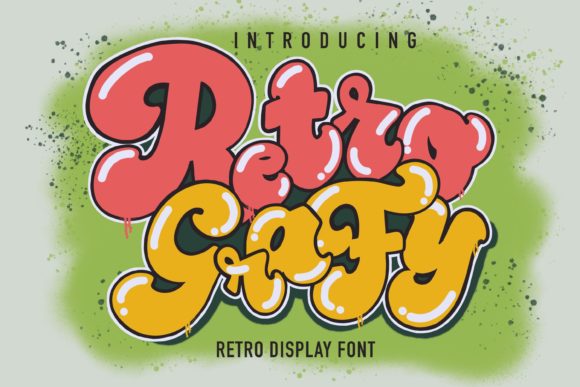
In a digital landscape that often feels sterile, algorithmic, and overly polished, there is a growing appetite for design that feels human. We are seeing a shift away from the hyper-minimalist aesthetics of the early 2010s toward styles that evoke nostalgia, warmth, and genuine connection. This is where Retro Grafy steps in. It is an incredibly cool and bubbly display font that embodies playfulness and authenticity. While it might seem like a niche choice at first glance, its versatility makes it the perfect choice for any children activity or school project, but its appeal extends far beyond the classroom.
For professionals, creators, and entrepreneurs, understanding the power of typography as an emotional trigger is crucial. Retro Grafy is not just a decorative typeface; it is a strategic tool for communication. By leveraging its distinct character, designers can instantly signal approachability, creativity, and fun. Whether you are a marketer crafting a campaign for a family-oriented brand, an educator designing learning materials, or a freelancer building a portfolio, this font offers a unique visual language that resonates with diverse audiences.
The Psychology of Bubbly Typography
To understand why Retro Grafy is gaining traction, we must look at the psychology behind shape and form in typography. Fonts carry weight, tone, and personality before a single word is read. Sharp, angular fonts often convey authority, urgency, or modernity. In contrast, rounded, bubbly forms suggest softness, safety, and friendliness. This is particularly effective when targeting younger demographics or when trying to lower the barrier to entry for complex topics.
Retro Grafy captures this essence perfectly. Its curves are generous and inviting, creating a sense of movement and energy without being chaotic. For educators and parents, this visual softness can make educational content feel less intimidating and more engaging. When a child sees text rendered in a font that looks like it was drawn by hand with joy, they are more likely to engage with the material. It transforms a standard worksheet into an invitation to play.
However, the utility of this style is not limited to childhood education. In adult-facing contexts, such as lifestyle blogging, craft businesses, or wellness branding, Retro Grafy helps establish a brand voice that is authentic and unpretentious. In an era where consumers are increasingly skeptical of corporate polish, "authentic" has become a powerful currency. A bubbly font signals that there is a real person behind the brand, someone who values creativity and connection over rigid perfection.
Bridging Nostalgia and Modern Workflow
The term "Retro" in Retro Grafy refers to its aesthetic roots, which draw inspiration from mid-century graphic design and vintage advertising. However, its application is thoroughly modern. Today’s creative workflows demand tools that are both visually striking and technically efficient. The trend toward "retro-modern" design allows brands to tap into the comfort of nostalgia while maintaining contemporary relevance. This balance is essential for staying competitive in crowded markets.
- Nostalgia as Comfort: Economic and social uncertainties often drive people toward familiar, comforting imagery. Retro Grafy taps into this desire by evoking a simpler, happier time, making it ideal for brands looking to provide emotional relief.
- Visual Differentiation: In a sea of sans-serif minimalism, a bubbly display font stands out. It breaks the monotony of grid-based layouts and draws the eye immediately to headlines and key messages.
- Cross-Generational Appeal: While the font is playful enough for children, its clean execution ensures it remains legible and stylish for adults. This dual appeal makes it a versatile asset for multi-generational campaigns.
This evolution reflects a broader shift in user expectations. Users no longer want to be talked at; they want to be invited in. The design of a website, a brochure, or a social media post is part of that invitation. If the typography is harsh or cold, it creates friction. If it is warm and inviting, like Retro Grafy, it reduces cognitive load and fosters a positive emotional response.
Practical Applications for Creators and Professionals
So, how do you practically apply Retro Grafy in your work? The key lies in context and restraint. Display fonts are meant to be displayed, not read in long paragraphs. Their strength is in capturing attention and setting a tone. Here are several realistic scenarios where this font shines:
Educational Materials and School Projects
As noted, Retro Grafy is the perfect choice for any children activity or school project. Teachers and homeschooling parents can use it to create worksheets, flashcards, and classroom decorations that feel special. The bubbly letters help young readers associate learning with fun rather than chore. For example, a science project poster about plants could use Retro Grafy for the title "Growing Green Friends," immediately setting a friendly, exploratory tone. This small detail can significantly boost student engagement and pride in their work.
Small Business Branding
Entrepreneurs running small businesses in sectors like baking, crafts, childcare, or pet care can leverage Retro Grafy to build a memorable brand identity. Imagine a local bakery using this font for its logo or menu headers. The font suggests homemade quality, warmth, and sweetness—attributes that align perfectly with the product. It tells the customer that the business cares about details and enjoys what it does. For freelancers, incorporating this font into business cards or proposal covers can differentiate them from competitors who stick to standard corporate fonts.
Digital Content and Social Media
Bloggers and content creators are constantly battling for attention on social media platforms. Using Retro Grafy in featured images, quote graphics, or event announcements can increase click-through rates. The font’s high visibility makes it effective for thumbnails where space is limited. However, readability must always be prioritized. Ensure there is sufficient contrast between the font color and the background. Pairing Retro Grafy with a simple, neutral background allows the typography to take center stage without visual clutter.
Event Design and Invitations
From birthday parties to community workshops, event design benefits greatly from personality. Retro Grafy adds an instant layer of celebration and excitement. It is particularly effective for invitations, banners, and signage. Because the font is inherently playful, it reduces the formality of an event, making guests feel welcome and relaxed. This is especially useful for community-driven events where the goal is participation and interaction rather than formal presentation.
Best Practices for Implementation
While Retro Grafy is a powerful tool, it requires thoughtful handling to ensure professional results. Here are some guidelines to keep in mind:
- Pairing is Key: Do not pair Retro Grafy with other display fonts. Instead, pair it with a clean, neutral sans-serif or serif font for body text. This creates a hierarchy where the display font grabs attention and the secondary font provides information clearly. For instance, use Retro Grafy for headlines and a simple sans-serif like Arial or Helvetica for paragraphs.
- Limit Usage: Use Retro Grafy sparingly. It works best for short phrases, titles, and keywords. Long blocks of text in a display font can become difficult to read and visually exhausting. Let the font breathe by giving it ample white space around it.
- Color Considerations: The bubbly nature of the font pairs well with vibrant, cheerful colors. Pastels, bright primaries, and warm tones enhance its playful character. However, avoid clashing colors that reduce legibility. Test your combinations to ensure accessibility standards are met.
- Context Matters: Ensure the font matches the message. While Retro Grafy is versatile, it may not be appropriate for serious legal documents, financial reports, or somber announcements. Respect the gravity of the content by choosing a more appropriate typeface when necessary.
The Future of Playful Design
As we move further into a digital-first world, the line between online and offline experiences continues to blur. People crave tactile, human-centered experiences even when interacting with screens. Retro Grafy represents this desire for humanity in design. It reminds us that technology and creativity are not mutually exclusive; they can coexist in ways that feel natural and enjoyable.
The trend toward personalized and expressive design is not a fad; it is a response to the homogenization of digital culture. As AI-generated content becomes more common, the value of human-centric design elements increases. A font like Retro Grafy, with its distinct personality and handmade feel, serves as a reminder of the human touch. It signals that a real person made choices, considered emotions, and cared about the audience’s experience.
For professionals aged 20–50, embracing such tools is not about abandoning professionalism; it is about redefining it. Professionalism today includes empathy, clarity, and engagement. By using fonts that connect emotionally, you create deeper relationships with your audience. Whether you are designing a school project with your child, launching a new startup, or updating your blog, consider how typography can serve your goals. Retro Grafy offers a simple yet effective way to inject joy and authenticity into your work, proving that even small design choices can have a significant impact.
In conclusion, Retro Grafy is more than just a font; it is a statement of intent. It says that you value playfulness, that you believe in the power of authenticity, and that you want your audience to feel welcome. In a world that often demands seriousness, allowing yourself to be playful can be a radical and rewarding act. Explore its potential, experiment with its forms, and discover how it can transform your projects from ordinary to extraordinary.