Pumpkin Island Font Evaluation
Selecting the right typeface is a critical step in visual communication, particularly when the goal is to evoke specific emotions or target a distinct demographic. For designers, educators, and content creators working on projects that require a blend of whimsy and clarity, Pumpkin Island has emerged as a notable option in the casual display font category. This article provides an objective analysis of Pumpkin Island, exploring its aesthetic qualities, ideal use cases, and practical considerations to help you determine if it aligns with your project requirements.
Understanding Pumpkin Island
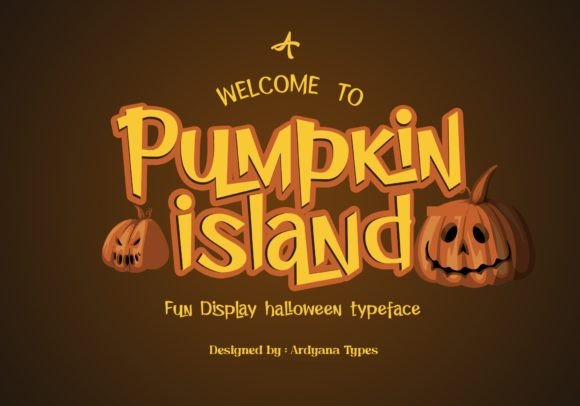
Pumpkin Island is categorized as a casual and spooky display font. Its design language draws heavily from hand-drawn aesthetics, characterized by irregular letterforms, playful curves, and a sense of organic authenticity. Unlike geometric sans-serifs or rigid serif fonts, Pumpkin Island mimics the imperfections of human handwriting, giving it a warm, approachable feel.
The "spooky" descriptor in its name refers not to horror, but to a thematic playfulness often associated with autumnal motifs, trick-or-treating, and lighthearted seasonal celebrations. The font embodies a sense of fun while maintaining readability, making it distinct from more decorative or illegible novelty fonts. It strikes a balance between being visually engaging and functionally usable for short-form text.
Why Designers Choose Pumpkin Island
When evaluating typography, the primary driver is usually the emotional response the text needs to elicit from the viewer. Pumpkin Island is selected primarily for its ability to convey playfulness and authenticity. Here are several reasons why this font might be included in your evaluation shortlist:
- Thematic Versatility: While named after a pumpkin, the font’s quirky nature makes it suitable for various non-seasonal contexts that require a childlike or informal tone.
- Visual Interest: The irregular shapes capture attention quickly, making it effective for headlines where immediate engagement is necessary.
- Approachability: The hand-drawn style reduces the formality of a design, making it ideal for brands or projects aiming to appear friendly and accessible.
Ideal Use Cases for Pumpkin Island
To maximize the effectiveness of Pumpkin Island, it is essential to apply it in contexts where its strengths are most relevant. Based on its design characteristics, the font performs best in scenarios targeting younger audiences or requiring a relaxed atmosphere.
Children’s Activities and Education
One of the strongest fits for Pumpkin Island is in materials designed for children. Whether creating worksheets, classroom posters, or activity book covers, the font’s authentic, hand-sketched look resonates with young learners. It feels less like a corporate imposition and more like a creative invitation. Teachers and educational content creators often prefer this style because it mirrors the natural way children write, fostering a sense of familiarity and comfort.
School Projects and Presentations
In academic settings, particularly at the elementary and middle school levels, students frequently need to produce presentations or displays that stand out without appearing unprofessional. Pumpkin Island offers a solution that is spirited yet organized. It allows students to inject personality into their work, whether for science fairs, history projects, or creative writing showcases.
Casual Branding and Event Materials
Beyond education, small businesses or community organizations hosting family-friendly events can leverage this font for flyers, banners, and social media graphics. Events such as fall festivals, library story hours, or community craft days benefit from the font’s inviting aesthetic.
Tradeoffs and Limitations
No single typeface is suitable for every design challenge. Understanding the limitations of Pumpkin Island is just as important as recognizing its strengths. Misapplication can lead to poor readability or a mismatch in brand voice.
Readability Concerns
As a display font, Pumpkin Island is not optimized for long-form body text. The irregularities that give it character can hinder legibility when used in paragraphs or dense blocks of information. Readers may experience eye strain or fatigue if forced to read extensive text in this style. It should be reserved for headings, titles, labels, and short phrases.
Tonal Specificity
The font carries a strong personality. If your project requires a tone of seriousness, authority, or minimalism, Pumpkin Island will likely clash with your message. It is inherently informal and whimsical. Using it for legal documents, financial reports, or high-end luxury branding would undermine the credibility and sophistication those contexts demand.
Seasonal Perception
Despite its utility beyond Halloween, the name and certain stylistic cues may still trigger associations with autumn or spooky themes. If a brand seeks to avoid any seasonal connotations, this font might inadvertently send the wrong message. Careful consideration of the surrounding design elements is required to ensure the font’s intent is clear.
Alternatives to Consider
If Pumpkin Island does not fully meet your needs, several alternatives exist depending on the specific gap you are trying to fill.
For projects that require similar playfulness but with greater legibility in longer texts, consider casual sans-serif fonts with softer edges. These maintain friendliness while offering better reading speeds. If the "spooky" theme is too narrow and you need a broader range of festive options, look into other display fonts with varying degrees of decoration, from subtle doodles to bold cartoon styles.
Conversely, if the goal is authenticity without the whimsy, handwritten script fonts or modern serif fonts might provide the human touch without the childish appeal. Evaluating these alternatives ensures you select a typeface that aligns precisely with your audience’s expectations.
Practical Decision-Making Insights
When deciding whether to incorporate Pumpkin Island into your project, ask yourself the following questions:
- Who is the audience? Is the target demographic children, families, or individuals seeking a lighthearted experience?
- What is the medium? Will the text be viewed briefly (signage, headers) or for extended periods (articles, manuals)?
- What is the desired emotion? Do you want to evoke joy, curiosity, and informality?
If the answers lean toward positive outcomes for these criteria, Pumpkin Island is a strong candidate. However, always test the font in context. Create mockups of your intended layout to assess how the irregular letterforms interact with images, colors, and other typographic elements. This practical testing phase is crucial for ensuring that the font enhances rather than detracts from the overall design.
Conclusion
Pumpkin Island is a specialized tool in the designer’s arsenal. It excels in creating engaging, authentic, and playful visuals for children’s activities, school projects, and casual events. By understanding its strengths in display applications and respecting its limitations regarding body text and formal tones, you can make informed decisions that enhance your project’s impact. Evaluate your specific goals against the font’s characteristics to determine if its unique charm is the right fit for your next creative endeavor.