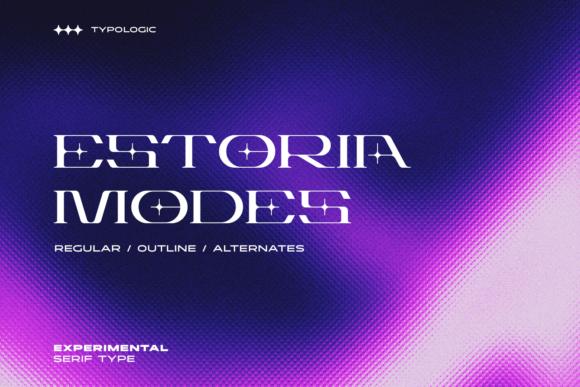
Estoria: Why This Futuristic Display Font Is a Smart Choice for Modern Projects
Choosing the right typeface is rarely just about aesthetics; it is about communication. When you are designing a logo, crafting a social media graphic, or laying out a brochure, the font you select sets the tone before the reader even processes the words. If you are looking for something that breaks away from the standard sans-serif and serif traditions without sacrificing readability, Estoria deserves a serious look. It is a cool, futuristic display font designed to make a statement, but its utility goes far beyond simple decoration.
What makes Estoria particularly interesting for designers and non-designers alike is its technical foundation. The font is PUA encoded. For those who might not be familiar with the term, PUA stands for Private Use Area. In plain English, this means that every single glyph, ligature, and unique character in the font has a direct, accessible code point. You do not need complex software workarounds, special plugins, or third-party tools to access these features. If you can type, you can use Estoria’s full potential. This accessibility lowers the barrier to entry significantly, allowing anyone with basic design skills to create professional-looking results.
The Aesthetic Appeal of Futurism in Everyday Design
Futuristic fonts often carry a specific weight. They can feel cold, mechanical, or overly aggressive if used incorrectly. Estoria strikes a balance that many modern projects require. It feels forward-thinking and sleek, yet it remains legible enough for various applications. The "cool" factor mentioned in its description is not just marketing fluff; it translates to a visual language that resonates with contemporary audiences who are accustomed to digital interfaces, tech products, and modern architecture.
When you apply Estoria to a project, you are instantly signaling innovation. This is why it is so effective in sectors where staying ahead of the curve is part of the brand identity. However, because it is a display font, it is best used for headlines, titles, and short bursts of text rather than long paragraphs. Its strength lies in impact, not endurance. Understanding this distinction is key to using it effectively.
Real-World Applications Across Different Industries
The versatility of Estoria comes from how different professionals can adapt its futuristic vibe to their specific needs. Here is how various users might integrate this font into their daily workflows and creative outputs.
For Creators and Digital Artists
If you are a graphic designer, illustrator, or content creator, you know that standing out in a crowded feed is half the battle. Estoria is an excellent tool for creating eye-catching thumbnails for YouTube videos, headers for blog posts, or promotional banners for online courses. Its sharp lines and unique character shapes draw the eye immediately. Because it is PUA encoded, you can easily swap in alternative glyphs or ligatures to add a custom touch to your text. This allows you to create bespoke typography effects that look hand-crafted, even if you are working entirely digitally.
For Entrepreneurs and Small Business Owners
Starting a business often means wearing many hats, including that of the chief marketing officer. For small business owners, especially those in the tech, gaming, fitness, or lifestyle sectors, branding is crucial. Estoria can help establish a strong visual identity for a new startup or a product launch. Imagine using it for a limited-edition product label, a conference booth banner, or a minimalist website header. The font conveys reliability mixed with modernity, which can build trust with customers who value both tradition and innovation.
For Marketers and Social Media Managers
In the fast-paced world of social media, attention spans are short. Your graphics need to communicate the core message in a split second. Estoria’s bold and distinct appearance makes it ideal for quote cards, event announcements, and promotional offers. When paired with clean backgrounds and contrasting colors, the font pops off the screen. Marketers can use it to highlight key benefits or call-to-action buttons, ensuring that the most important information is never overlooked.
For Educators and Presenters
It might seem surprising, but educators can benefit from a futuristic font as well. When preparing slide decks for lectures, workshops, or webinars, using a standard font like Arial or Times New Roman can sometimes feel dated. Introducing Estoria for section headers or topic titles can re-engage students or attendees. It signals that the material is current and relevant. Furthermore, for teachers of technology, coding, or design, using Estoria in examples demonstrates practical application of modern tools.
Technical Ease: The Advantage of PUA Encoding
One of the most significant advantages of choosing Estoria is the ease of access provided by its PUA encoding. In the past, accessing specialized glyphs often required navigating complex menus or using open-type feature panels that were difficult to master. With PUA encoding, the characters are mapped directly to unused Unicode slots. This means that when you type a specific character code, the corresponding glyph appears. This is particularly useful for:
- Rapid Prototyping: Designers can quickly test different typographic layouts without getting bogged down in technical hurdles.
- Consistency: Since the glyphs are directly accessible, there is less risk of substitution errors or missing fonts on different devices.
- Creative Experimentation: Users can mix and match different styles within the same word or phrase effortlessly, creating unique typographic hierarchies.
This technical simplicity ensures that the focus remains on the creative outcome rather than the mechanics of the tool. It democratizes high-quality design, making it accessible to freelancers and hobbyists who may not have extensive training in advanced typography.
Practical Considerations Before You Download
While Estoria offers many benefits, it is important to approach its usage with a clear strategy. Not every project requires a futuristic display font. Using Estoria for body text, legal documents, or academic papers would likely hinder readability and appear inappropriate. It is a tool for emphasis, not exposition.
Additionally, consider the context of your audience. If you are designing for a conservative industry such as law, finance, or healthcare, a futuristic font might clash with the expected tone of professionalism and stability. In these cases, it is better to reserve Estoria for internal presentations or creative side projects. Always ask yourself: Does this font align with the brand voice? Does it enhance the message, or does it distract from it?
Finally, ensure you have the proper licensing for your intended use. Whether you are using Estoria for personal hobbies, client work, or commercial products, respecting copyright laws protects you and supports the creators who developed the font. Check the license agreement to see if it covers web embedding, print runs, or merchandise production.
Conclusion
Estoria is more than just a pretty typeface; it is a functional asset for anyone looking to inject a sense of modernity and style into their work. Its PUA encoding removes technical barriers, while its aesthetic appeal provides immediate visual impact. By understanding where and how to use it, you can elevate your designs, engage your audience, and communicate your ideas with clarity and confidence. Whether you are a seasoned pro or just starting out, Estoria offers a reliable way to make your text stand out in a digital world that is always moving forward.