Open the Door: Elevating Your Design with Whimsical Typography
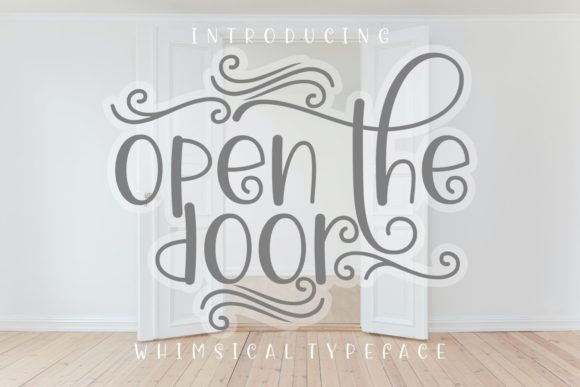
Typography is often the silent ambassador of your brand, project, or creative vision. It speaks before a single word is read, setting the tone, mood, and expectation for the viewer. When you are looking for a typeface that commands attention without shouting, Open the Door emerges as a compelling candidate. This beautiful, whimsical, and highly detailed display font offers a unique blend of trendiness and style that can significantly elevate each of your creations.
However, selecting a decorative font like Open the Door requires more than just an appreciation for its aesthetic appeal. There are practical considerations regarding licensing, technical implementation, and design hierarchy that many creators overlook. Understanding these nuances ensures that you use this PUA-encoded masterpiece effectively, avoiding common pitfalls that can detract from the professional quality of your work.
Understanding the Aesthetic Appeal of Open the Door
At first glance, Open the Door stands out due to its intricate details and playful character. It is not a standard sans-serif or serif body text font; it is a display font designed to make a statement. Its whimsical nature makes it particularly suitable for projects that aim to evoke creativity, fun, or elegance. Whether you are designing a wedding invitation, a boutique logo, a social media graphic, or a book cover, this font adds a layer of sophistication and personality that standard fonts often lack.
The "trendy and stylish" descriptor is well-earned. In an era where visual content dominates digital spaces, having typography that feels current yet timeless is crucial. Open the Door achieves this balance by incorporating modern design trends while maintaining a classic structural integrity. For entrepreneurs, marketers, and freelancers, this means your visuals will resonate with contemporary audiences who appreciate artisanal and hand-crafted aesthetics, even in digital formats.
Who Benefits Most from This Typeface?
- Brands seeking uniqueness: Small business owners and hobbyists can differentiate themselves from competitors using generic templates.
- Event designers: Educators and creatives planning workshops, parties, or ceremonies benefit from the inviting and celebratory feel of the font.
- Digital content creators: Bloggers and influencers use it to create eye-catching headers and quotes that stop the scroll.
Common Misconceptions About Display Fonts
One of the most frequent mistakes beginners make is underestimating the role of context when using decorative fonts. Because Open the Door is so visually striking, there is a temptation to use it extensively throughout a layout. However, display fonts are meant to be used sparingly. They are best suited for headlines, titles, logos, and short phrases. Using them for long paragraphs of body text can lead to readability issues and visual fatigue for the audience.
Another misunderstanding involves the assumption that all fancy fonts are equally easy to implement. Some decorative fonts require specific software features or complex kerning adjustments. While Open the Door is designed for ease of use, ignoring its specific characteristics can still lead to poor results. For instance, failing to pair it with a simple, neutral typeface for supporting text can create a chaotic visual hierarchy. The contrast between the ornate Open the Door and a clean, minimal body font is essential for guiding the reader’s eye effectively.
Navigating Technical Details: The PUA Encoding Advantage
A standout feature of Open the Door is that it is PUA (Private Use Area) encoded. For those unfamiliar with typography jargon, this means that all glyphs, swashes, and alternate characters are accessible within a specific range of the Unicode standard. This technical detail is significant because it allows designers to access a vast array of stylistic variations without needing advanced OpenType feature support in every software application.
This accessibility is a major advantage for users working across different platforms, whether they are on macOS, Windows, or using web-based design tools. You do not need to worry about your client’s computer lacking specific font rendering capabilities. Instead, you can confidently insert swashes and special characters directly into your design file. However, this convenience comes with a responsibility: you must ensure that the final output format preserves these characters. If you are exporting to a format that does not support embedded fonts properly, some swashes might revert to default glyphs, altering the intended design.
Best Practices for Utilizing Swashes
- Plan your composition: Decide which words will receive swashes before you start designing. Overusing swashes can dilute their impact.
- Check compatibility: If sending files to print or clients, embed the font or convert text to outlines to ensure the swashes remain intact.
- Maintain consistency: Use swashes strategically to highlight key elements rather than decorating every letter randomly.
Evaluating Cost vs. Value in Font Licensing
When considering purchasing Open the Door, it is important to look beyond the initial price tag. Many free fonts come with restrictive licenses that prohibit commercial use, leading to legal complications down the line. Conversely, expensive designer fonts may offer extensive families (light, bold, italic, etc.) that you might never use. Open the Door typically offers a focused package tailored to its specific aesthetic.
For freelancers and small business owners, understanding the license terms is critical. Ensure that the license covers your intended use cases, such as web usage, print materials, or merchandise. A mistake here can result in costly fines or the need to redesign assets entirely. By choosing a reputable source for Open the Door, you gain peace of mind knowing that your investment protects your brand legally and ethically.
Practical Advice for Integration
To get the most out of Open the Door, consider the following practical steps:
- Pair wisely: Combine it with simple geometric sans-serifs or elegant serifs for body text. Avoid pairing it with other decorative fonts, which creates visual clutter.
- Use whitespace: Give the letters room to breathe. The detailed nature of the font requires space to be appreciated fully.
- Test at various sizes: Ensure that the fine details remain legible at the sizes you intend to use. What looks great on a large poster may become illegible on a mobile screen.
Final Thoughts on Making the Right Choice
Selecting the right typography is a strategic decision that impacts communication efficiency and user satisfaction. Open the Door offers a powerful tool for creators who want to inject whimsy and style into their work. By understanding its strengths, respecting its limitations, and utilizing its PUA-encoded features correctly, you can avoid common design errors and produce high-quality, engaging content.
Before making a purchase, review sample images and test the font in your own design software. Check if it aligns with your brand identity and project goals. With careful consideration and proper application, Open the Door can indeed open the door to new levels of creative expression and professional polish in your designs.